World’s leading piano manufacturer Rhodes has introduced its all-new VST called Pianology. Three deeply sampled pianos with a clean workflow. Here’s what it actually feels like to use it inside a real session.
Rhodes’s release of a piano plugin was always going to get attention. Not because it would be the most feature-packed VST out there, but because of one thing: its authentic feel.
That’s exactly what Pianology leans into.
After using it for a while in real projects, it becomes clear that it is not trying to compete with massive plugins and libraries. It is simply trying to be the piano you keep going back to without thinking twice.
So, in this article, we’re going to take a deep dive into this latest piano VST.
First Look:
At first glance, Pianology looks simple. And it is.
You get three instruments:
- Japanese Upright
- American Grand
- Japanese Electric Grand
That might sound limited, but it’s intentional. Rhodes has focused on three specific instruments that are rarely available in typical plugin libraries and built the entire experience around them. Each one is deeply sampled and designed to serve a different purpose rather than being slight variations of the same sound.
The interface follows the same thinking.
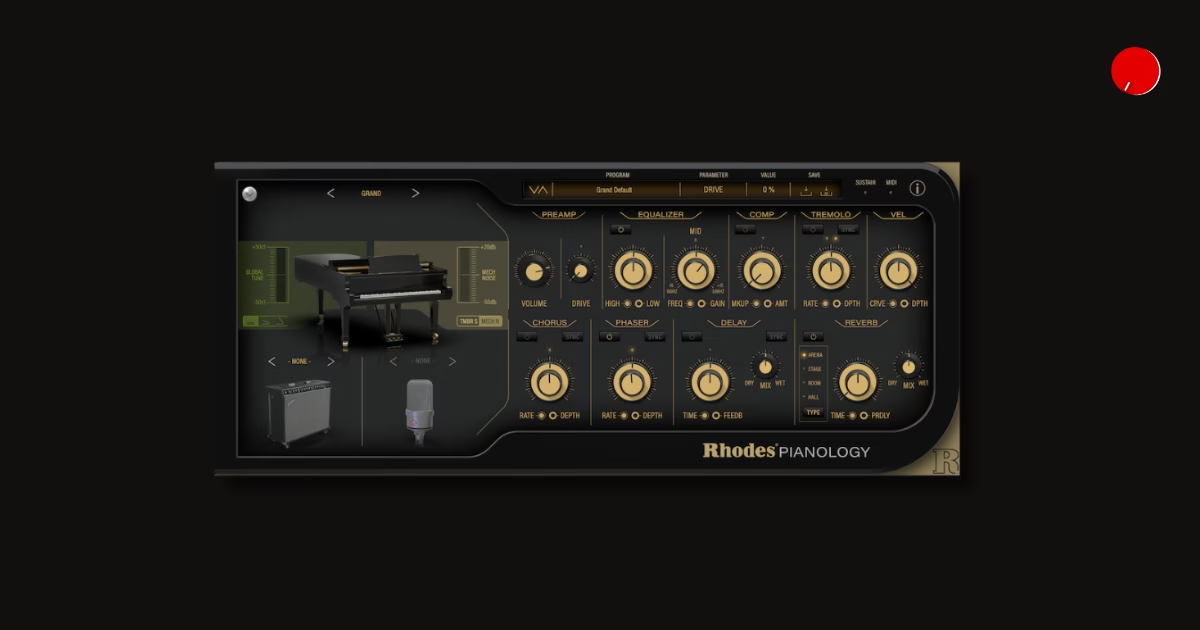
No Clutter. No unnecessary tabs. Just a clean layout with core control like timbre, mechanical noise, lid position, and turning, along with a built-in effects chain and amp section.
Let’s see how everything works!
What Makes It Different:
1. Japanese Upright Piano:
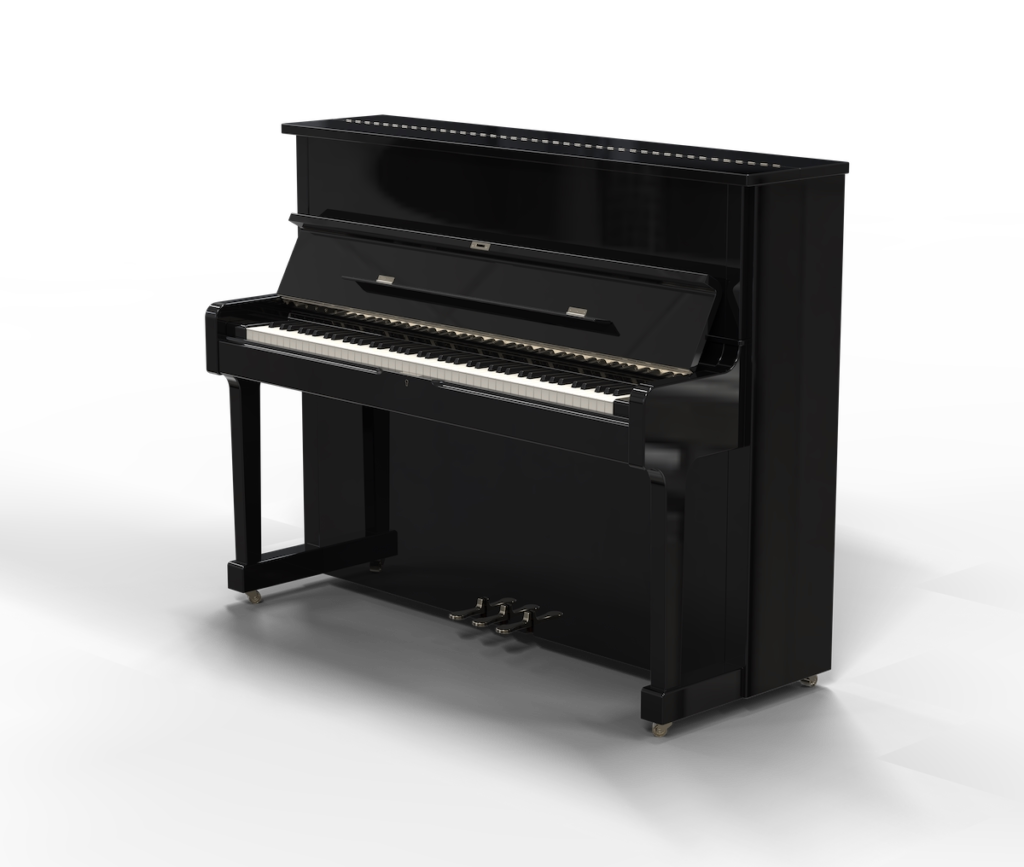
This one feels more intimate and slightly raw.
It has a tighter sound and sits closer in the mix, which makes it great for songwriting or minimal arrangements. The instruments have a bit of character, and that is why it works.
2. American Grand:
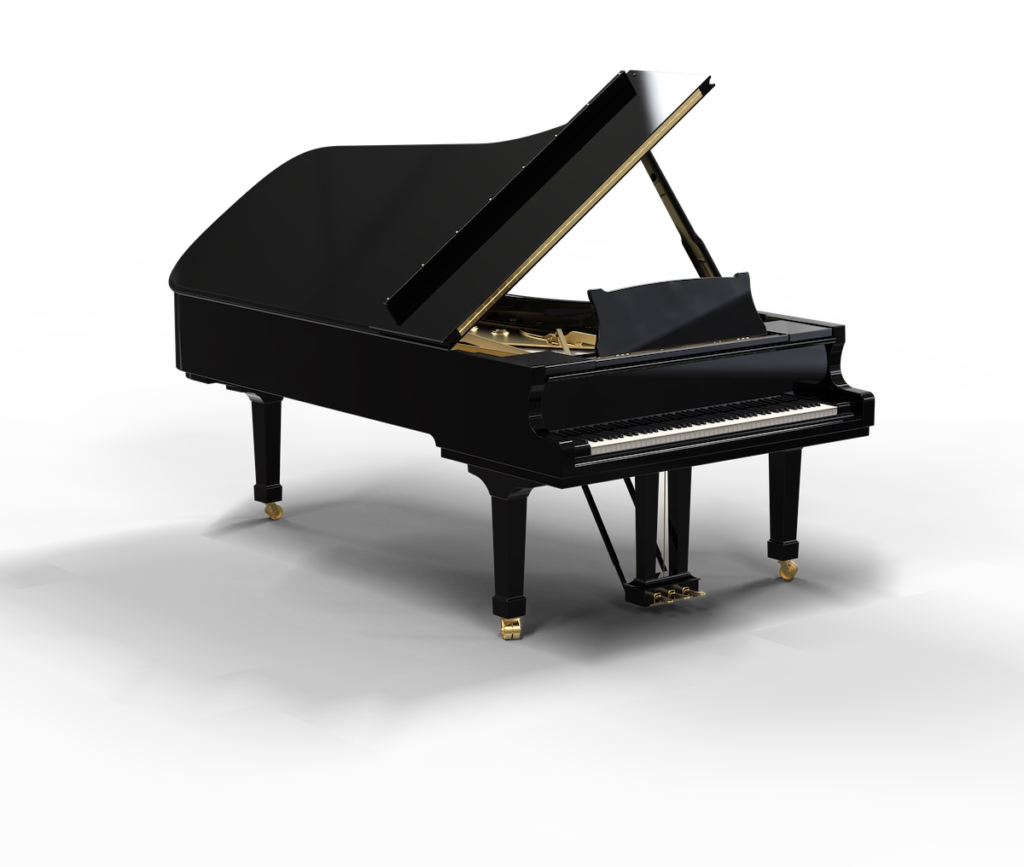
This is the most versatile of the three. It feels open and balanced without being overly polished. Soft playing warm sounds, and when you push it, the dynamics open up naturally. It fits in a mix without much effort, which makes it an easy choice for every genre.
3. Japanese Electric Grand:
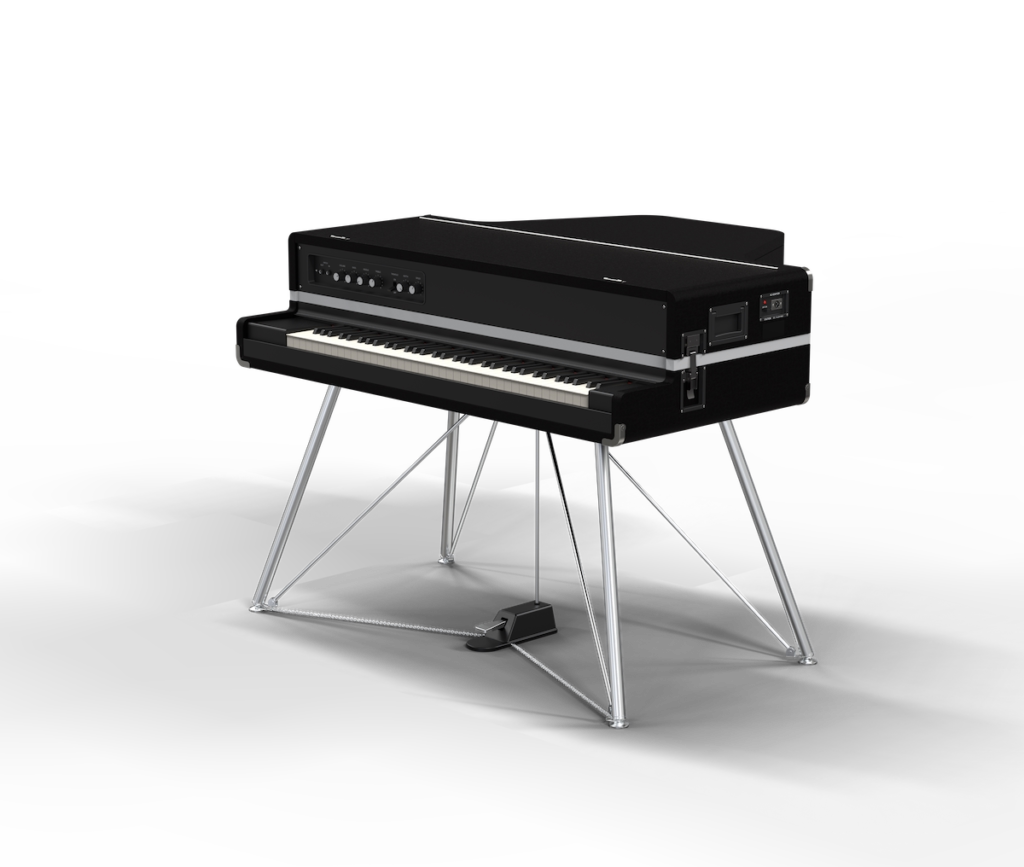
This is one of my favourites of all three. It has a more percussive and slightly gritty tone, giving it a strong presence in a mix. It is great for adding character, especially in genres such as Lofi, indie or electronica.
Workflow & Interface:
The workflow is simple, but in a good way. You have just enough control to shape the sound without getting lost. The main parameters actually affect the feel of the instrument, not just small tonal changes.
The built-in effects are also well integrated. You can shape a sound quickly and get it close to mix-ready without reaching for more plugins. The best things about Rhodes Pianology is it keeps you focused on making music instead of tweaking settings.
What I Liked the Most:
For me, the biggest strength is how immediate it feels.
You just open it, pick a piano, and start playing. No setup, no tweaking, no distractions.
It feels consistent. All three pianos are clearly designed to work together, so switching between them does not slow you down.
One thing I always appreciate in a plugin is when the sounds stay natural and unprocessed. It makes them so much easier to place in any mix, and Pianology is just like that.
Highlights:
- Three carefully selected and deeply sampled pianos.
- Designed for expressive playability and organic tone.
- Built-in amp and mic modelling derived from Rhodes V8 Pro.
- Full effects chain including Compression, EQ, Modulation, Delay, Tremolo and Reverb.
- New Stage and Arena reverb modes.
- Velocity curve and depth controls for performance customization.
- A lot of amazing presets that store the full instrument state.
- Available in VST, AU, and AAX formats.
Final Thoughts:
Rhodes Pianology keeps things focused. It does not try to compete with the most complex plugin. Instead, it focuses on what actually matters when making music.
The sound is solid. The response, as well as the workflow, feels right.
For Music producers, beatmakers, as well as live performers, this plugin makes a lot of sense. It is simple, but in the right way.
How to get Rhodes Pinaology:
You can get Pianology from the Rhodes Official website, here
Or, click the link below to get your copy of this amazing plugin. The current cost of this plugin is $149.95.